-
Niesamowita Wielkopolska
Wielkopolska to niesamowita kraina. Oprócz miejsc związanych z początkami państwa jak Poznań, Gniezno, Giecz i Lednogóra, pięknymi rezydencjami w Kórniku, Rogalinie i Koszutach znajdziemy dziesiątki innych lokalizacji, które fascynują. W tym zestawieniu zebrałem takie, które zaintrygowały mnie swoją historią. Nierzadko prowadzone przez ludzi z pasją, do tego leżące poza utartymi szlakami, więc można je podziwiać w spokoju. Zapomnijmy na chwilę o takich oczywistych wyborach dla przeciętnego turysty jak zamek w Gołuchowie i pałac w Antoninie. Tutaj także pojawią się cenne zabytki, lecz nie z pierwszych stron turystycznych katalogów. Czasami będą to atrakcje, do których warto specjalnie przyjechać pomimo odległej trasy, a niekiedy tylko ciekawostka mijana po drodze. Pojawiają się wysokobudżetowe…
- pałac, park krajobrazowy, Powiat gostyński- zabytki i atrakcje, Wielkopolskie zamki, pałace i dwory, Wieś
Karolew
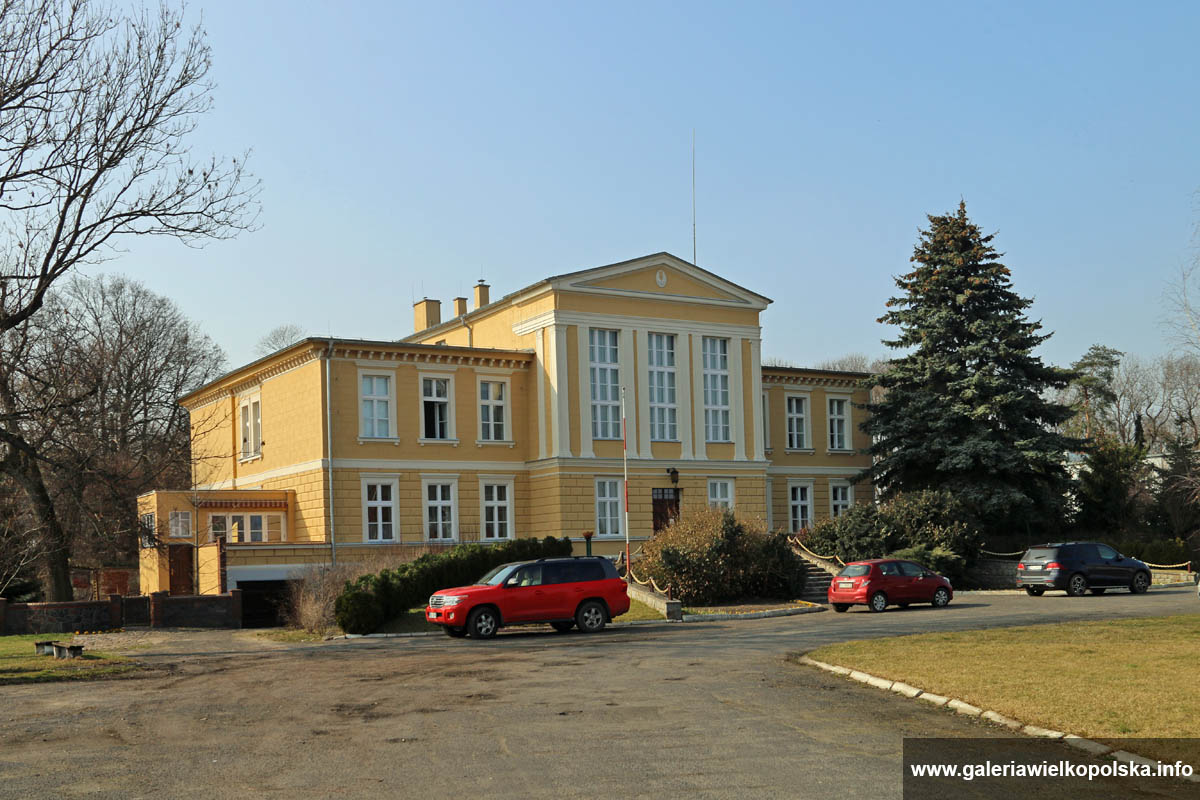
Wieś położona w powiecie gostyńskim w gminie Borek Wielkopolski. Pałac Klasycystyczna rezydencja zbudowana w połowie XIX wieku. Powstała dla Karola Graeva- rodzina ta gospodarzyła w Karolewie do II wojny światowej. Pałac został odbudowany po pożarze w 1969 roku. Elementem charakterystycznym obiektu…
- atrakcje i ciekawostki krajoznawcze, kościół murowany, Miasto, Powiat koniński- zabytki i atrakcje, świątynie, Wielkopolska dla rodzin- miejsce przyjazne i dostępne
Ślesin
Miasto położone w powiecie konińskim, siedziba gminy miejsko-wiejskiej. Według miejscowej legendy nazwę miastu nadano od rodu Szleszy, który zasiedlił we wczesnym średniowieczu okoliczne pola nad jeziorem. Pierwsze informacje w historycznych kronikach pojawiają się w 1231 roku w dokumencie księcia Konrada…
- atrakcje i ciekawostki krajoznawcze, kościół murowany, muzeum, pałac, park krajobrazowy, Powiat ostrowski- zabytki i atrakcje, świątynie, Wielkopolska dla rodzin- miejsce przyjazne i dostępne, Wielkopolskie zamki, pałace i dwory, Wieś
Lewków
Wieś w gminie wiejskiej Ostrów Wielkopolski, powiat ostrowski. Leży 6 km na północny wschód od Ostrowa Wielkopolskiego, nad Niedźwiadą. Około 1 km na zachód od Lewkowa znajduje się lotnisko Aeroklubu Ostrowskiego – Michałków. Znajduje się tu chętnie odwiedzany przez turystów…
Łobżenica
Miasto położone w powiecie pilskim, siedziba gminy miejsko-wiejskiej Łobżenica. Początki miejscowości sięgają ponoć już XI wieku. Rozwój ośrodka był związany ze zlokalizowanymi tutaj szlakami handlowymi łączącymi Wielkopolskę z Pomorzem, co przyczyniło się do bogacenia się lokalnego społeczeństwa. Nie jest do…
- atrakcje i ciekawostki krajoznawcze, muzeum, Powiat chodzieski- zabytki i atrakcje, skansen, Wielkopolska dla rodzin- miejsce przyjazne i dostępne, Wieś, Zabytek techniki
Kąkolewice
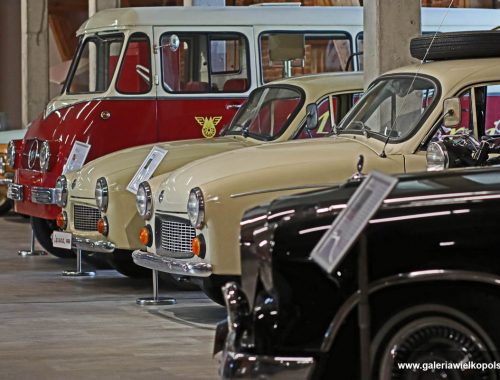
Wieś położona w powiecie chodzieskim w gminie Budzyń. Znajduje się tutaj jedna z największych prywatnych kolekcji motoryzacyjnej na terenie Wielkopolski. Magazyn Wystawowy Polskiej Motoryzacji Fani motoryzacji na pewno znają to jedno z nielicznych na terenie Wielkopolski miejsc, gdzie można obejrzeć…
- atrakcje i ciekawostki krajoznawcze, hotel, kościół murowany, legendy wielkopolskie, Miasto, muzeum, pałac, Powiat złotowski- zabytki i atrakcje, skansen, świątynie, Wielkopolska dla rodzin- miejsce przyjazne i dostępne, Wielkopolskie zamki, pałace i dwory, Zabytek techniki, zabytkowy ratusz
Złotów
Miasto położone na północy województwa, siedziba powiatu złotowskiego. Prawa miejskie Złotów uzyskał jeszcze przed 1458 rokiem, jednak jego historia jest znacznie starsza- początki osady wiązane są z wczesnośredniowiecznym grodem Ziemi Krajeńskiej, który istniał tutaj już w XII wieku. Ośrodek ten…
- atrakcje i ciekawostki krajoznawcze, kościół drewniany, kościół murowany, Miasto, Powiat pilski- zabytki i atrakcje, świątynie, Wielkopolska dla rodzin- miejsce przyjazne i dostępne, z lotu ptaka, zabytkowy ratusz
Ujście
Miasto położone w powiecie pilskim u ujścia Gwdy do Noteci. Siedziba gminy miejsko-wiejskiej Ujście. Pierwotnie znajdował się tutaj jeden z istotniejszych punktów obronnych pogranicza wielkopolsko-pomorskiego. Pierwsze zmianki w kronikach historycznych pojawiają się już w 1108 roku za sprawą Galla Anonima.…
Wysoka
Miasto położone w powiecie pilskim, siedziba gminy miejsko-wiejskiej Wysoka. Nazwa miejscowości pochodzi od przymiotnika „wysoki” i została nadana zapewne z uwagi na położenie u stóp wzniesienia. Pierwsze informacje historyczne o miejscowości z 1260 roku. Pierwotnie był to ośrodek regionalny, którego…
Śmiłowo
Wieś położona w powiecie pilskim w gminie Kaczory. Pierwszych śladów o wsi należałoby szukać w XIII wieku. Już wtedy najprawdopodobniej istniała tutaj parafia z kościołem, chociaż najstarsze źródła pisane pochodzą dopiero z 1490 roku. Pierwotne kościoły stojące we wsi były…
Podanin
Wieś położona w powiecie chodzieskim w gminie Chodzież. Pierwsze informacje o wsi pojawiają się w 1430 roku. Wówczas król Władysław zezwolił kasztelanowi poznańskiemu Marcinowi ze Sławska wykupić Podanin z rąk Piotra Korzboga. Bytność ludzi na tym terenie musiała jednak zacząć…
- atrakcje i ciekawostki krajoznawcze, kościół murowany, Miasto, Powiat złotowski- zabytki i atrakcje, świątynie, Wielkopolskie zamki, pałace i dwory, z lotu ptaka, Zabytek techniki, zamek
Krajenka
Miasto położone w powiecie złotowskim, siedziba gminy miejsko-wiejskiej Krajenka. Nazwa ośrodka wywodzi się od słowa Krajna, jakim określano region położony kiedyś na skraju państwa polskiego. Najstarsze informacje źródłowe o Krajence pojawiają się w 1286 roku. Pierwszym znanym nam rodem, który…
- atrakcje i ciekawostki krajoznawcze, dwór, hotel, hotel historyczny, kuchnia wielkopolska, park krajobrazowy, Powiat pilski- zabytki i atrakcje, Wielkopolska dla rodzin- miejsce przyjazne i dostępne, Wielkopolskie zamki, pałace i dwory, Wieś
Grabówno
Wieś położona w powiecie pilskim w gminie Miasteczko Krajeńskie. Pierwsze informacje o wsi pojawiają się w XVI wieku, lecz sama historia miejscowości jest zapewne starsza. Pod koniec XVIII wieku istniała tutaj parafia ewangelicka. W 1872 roku majątek kupił książę Chlodwig zu…
- atrakcje i ciekawostki krajoznawcze, kościół murowany, Powiat pilski- zabytki i atrakcje, świątynie, Wieś
Rataje (Górka Klasztorna)
Rataje to wieś położona w powiecie pilskim w gminie Łobżenica. Górka Klasztorna to część wsi, znana z ważnego miejsca kultu na mapie północnej Wielkopolski. Pierwsze informacje o ukazaniu się tutaj Matki Bożej lokalnemu pasterzowi pojawiają się w 1079 roku. W…
Glesno
Wieś położona w powiecie pilskim w gminie Wyrzysk. To jedna ze starszych miejscowości tego regionu, pierwotnie znajdował się tutaj wczesnośredniowieczny gród. Najstarsze zmianki pisane pochodzą dopiero z 1418 roku. Była to własność prywatna takich rodów jak Tuchołkowie, Gliszczyńscy, Słupscy, Smoguleccy,…
- atrakcje i ciekawostki krajoznawcze, kościół murowany, Miasto, Powiat chodzieski- zabytki i atrakcje, świątynie, Wielkopolska dla rodzin- miejsce przyjazne i dostępne
Chodzież
Miasto położone w powiecie chodzieskim, siedziba gminy Chodzież. Początki tego ośrodka sięgają XIII wieku. Pierwotna osada położona była przy szlaku handlowym z Gniewna do Ujścia, dzięki czemu miała szansę na rozwój poprzez handel. Wieś określana w źródłach jako „Chodzyesch” widnieje…